
 By
By 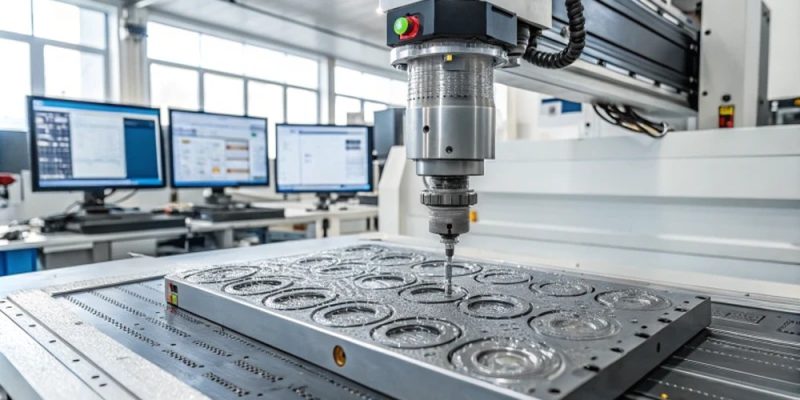
Industrial production methods now follow careful resource usage across many production units. Material control now receives stronger attention because waste handling affects long-term operational balance. Many production teams prefer controlled output systems that reduce unwanted material loss during daily processes. Inside thailand precision machining operations, many production planners now support measured usage methods for stable production quality. Several manufacturing groups also improve working methods through low consumption systems that support stable daily activity. The following sections describe practical operational changes shaping modern production routines across multiple manufacturing environments.
Responsible Material Usage Supporting Production Stability
Controlled resource handling helps production units reduce unnecessary material disposal during regular operations. Careful planning also supports cleaner working surroundings through balanced operational activity.
- Material tracking systems reduce unnecessary leftover stock during production routines
- Controlled energy usage supports stable machine activity during continuous processing periods
- Waste separation methods improve cleaner surroundings inside active operational sections
- Reused material portions to lower excessive disposal activity across production facilities
Balanced resource planning supports steady operational movement during daily manufacturing tasks.
Balanced Production Systems Improving Daily Functions
Several manufacturing groups now focus on stable operational timing through controlled scheduling systems. Simple monitoring methods also reduce unnecessary interruptions during regular machine movement. Production managers observe operational flow because smaller adjustments often support stronger output quality. Consistent handling methods further support organized work surroundings through stable daily coordination among production teams.
Structured Workflow Methods Supporting Reliable Output
Organized workflow planning supports smoother operational movement through properly arranged production timing. Balanced scheduling methods also reduce unnecessary waiting periods during active processing. Within several thailand precision machining facilities, supervisors now maintain stable coordination between machine usage, material handling plus operational timing. Consistent workflow observation further supports dependable production quality during continuous manufacturing responsibilities.
Workplace Coordination Strengthening Manufacturing Order
Production teams perform more efficiently when operational responsibilities remain properly arranged throughout daily activity. Controlled communication methods also reduce unnecessary confusion between operational sections. Organized scheduling further supports smoother task movement during busy manufacturing periods. Steady coordination systems continue improving workplace order through practical planning methods across multiple operational environments.
Environmental Awareness Supporting Manufacturing Continuity
Many manufacturing groups now review operational habits because environmental responsibility influences future production planning. Controlled disposal methods help maintain cleaner operational surroundings across daily activities. Production supervisors also support balanced consumption systems through organized monitoring routines. Responsible planning methods continue helping operational groups maintain dependable manufacturing stability through practical working adjustments.
Steady Operational Habits Building Lasting Progress
Long term manufacturing balance depends on practical daily operational control across production activities. Smaller improvements often create stable working conditions through organized material supervision plus careful machine handling. Responsible planning also supports cleaner surroundings through controlled operational movement across multiple production schedules. Consistent monitoring routines help manufacturing groups maintain dependable output quality without unnecessary operational pressure. Organized workplace coordination further supports reliable production continuity through balanced daily working methods.
FAQ
- What supports cleaner manufacturing activity? Controlled material handling supports cleaner operational surroundings.
- Why does machine supervision matter? Regular monitoring reduces sudden operational interruptions during production.
- What improves production consistency? Balanced workflow planning supports stable operational timing.
- Why do manufacturing groups monitor waste handling? Waste control helps maintain organized production surroundings.
- What supports long term operational balance? Responsible resource planning supports dependable manufacturing continuity.











Comments