
 By
By 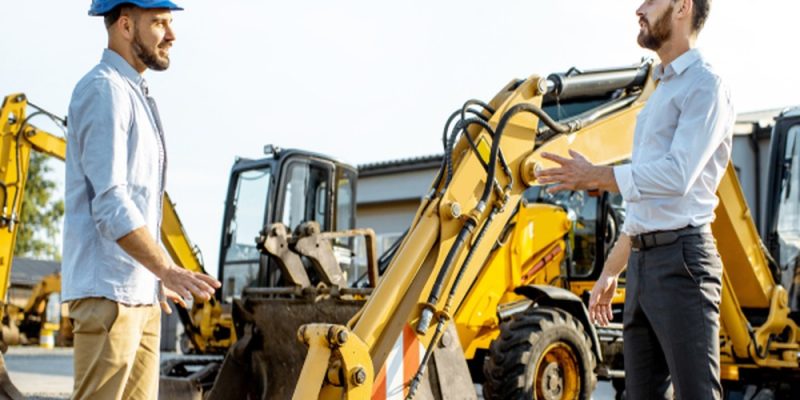
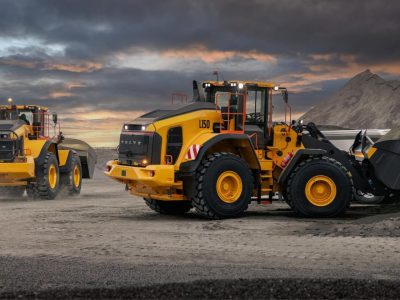
The role of a heavy equipment dealer has evolved far beyond simply selling machines. Today, businesses expect far more than a transaction. Contractors, construction firms, and industrial operators now look for long-term partnerships that support efficiency, reduce downtime, and improve overall project outcomes. In a competitive and fast-paced environment, the expectations placed on a heavy equipment dealer continue to grow, shaping how dealers operate and deliver value.
A Shift From Transactions To Partnerships
Modern businesses no longer view equipment purchases as one-time decisions. Instead, they seek ongoing relationships with dealers who understand their operational needs. It is anticipated that a trustworthy heavy equipment dealer will serve as a strategic partner by providing advice on equipment selection, utilization, and lifecycle planning.
This partnership approach means dealers must understand industry trends, project demands, and client challenges. Businesses want dealers who can anticipate their needs and provide proactive solutions rather than reactive services. Trust and long-term collaboration have become key factors in choosing the right dealer.
Access To A Diverse Range Of Equipment Solutions
Flexibility is essential in today’s construction and industrial sectors. Companies often require different types of equipment for varying projects, and they expect dealers to provide access to both new and used machinery as well as rental options.
A modern heavy equipment dealer is expected to offer a diverse inventory that caters to different budgets and timelines. Rental services, in particular, have become increasingly important, allowing businesses to scale operations without large upfront investments. Dealers who provide flexible solutions help companies stay agile and competitive.
Strong After-Sales Support And Service
One of the most critical expectations from a heavy equipment dealer is reliable after-sales support. Equipment downtime can lead to costly delays, making maintenance and repair services a top priority.
Businesses expect dealers to offer quick response times, skilled technicians, and access to genuine parts. Preventive maintenance programs are also highly valued, as they help extend equipment life and reduce unexpected breakdowns. A dealer that provides dependable service support becomes an essential part of a company’s operational success.
Embracing Technology And Innovation
Technology is transforming the heavy equipment industry, and businesses expect dealers to keep up with these advancements. From telematics systems that track equipment performance to digital platforms for service scheduling, modern dealers must integrate technology into their offerings.
Clients now look for dealers who can provide insights into equipment usage, fuel efficiency, and maintenance needs through data-driven tools. This level of transparency allows businesses to make informed decisions and optimize their operations. Dealers who embrace innovation are better positioned to meet the evolving expectations of their clients.
Transparent Communication And Honest Guidance
Clear and honest communication is another major expectation. Businesses want dealers who provide accurate information about pricing, equipment capabilities, and service timelines.
Rather than focusing solely on making a sale, a trusted heavy equipment dealer offers honest recommendations based on the client’s needs. This approach builds credibility and strengthens relationships. Companies value dealers who prioritize their success over short-term profits.
Training And Operational Support
Modern equipment often comes with advanced features that require proper training to use effectively. Businesses expect dealers to provide training programs that help operators maximize performance and safety.
A knowledgeable heavy equipment dealer will offer demonstrations, operator training sessions, and ongoing support to ensure clients can fully utilize their machinery. This added value not only improves productivity but also reduces the risk of accidents and equipment misuse.
Availability Of Parts And Quick Logistics
Time is a critical factor in any project, and delays caused by unavailable parts can be costly. Businesses expect dealers to maintain a strong inventory of spare parts and efficient logistics systems.
Quick access to parts and fast delivery services are essential components of a reliable dealership. Companies prefer working with dealers who can minimize downtime by ensuring that necessary components are always within reach.
Sustainability And Environmental Responsibility
As industries become more environmentally conscious, businesses expect heavy equipment dealers to support sustainability efforts. This includes offering fuel-efficient machinery, low-emission options, and guidance on environmentally responsible practices.
Dealers who promote sustainable solutions help companies meet regulatory requirements and reduce their environmental impact. This has become an increasingly important factor in decision-making.
Conclusion
The expectations placed on a heavy equipment dealer have expanded significantly in recent years. Businesses now look beyond sales and focus on value-driven partnerships that support their long-term success. From flexible equipment options and strong service support to technological innovation and transparent communication, modern dealers must deliver a comprehensive experience.









Comments