
 By
By 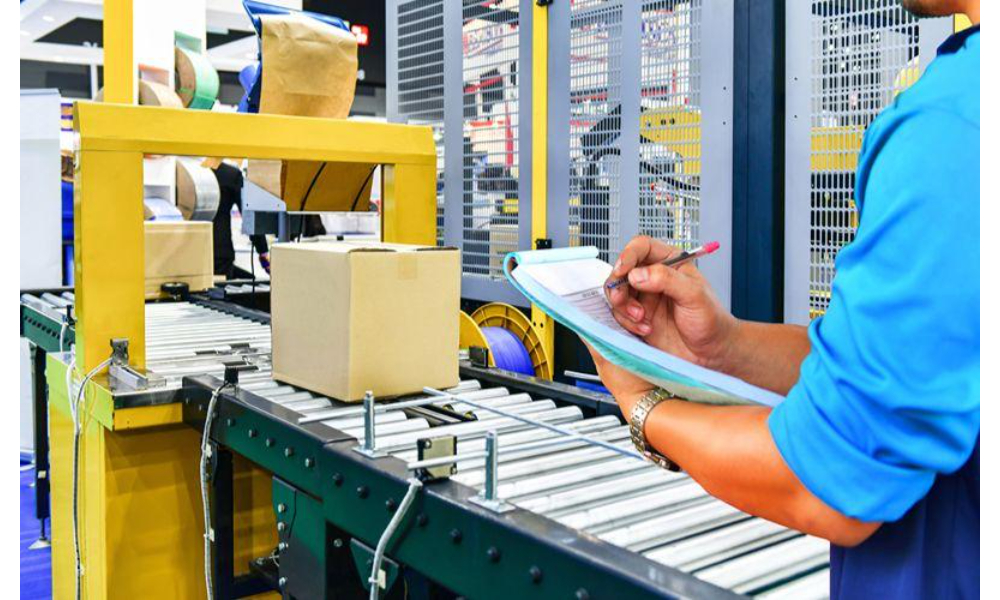
Packaging decisions rarely begin with machines. They start with growing order volumes, tighter delivery timelines, or a sudden increase in packing errors. These moments force teams to reassess whether manual processes still make sense. Introducing a packaging machine often feels like a major step, while adding a case sealer may seem like a tactical change. In practice, both decisions tend to arise from specific situations that many operations eventually encounter.
Situation #1: Manual Packing Can No Longer Keep Up
One of the earliest signs that automation is worth considering is throughput pressure. When packing staff struggle to keep pace with incoming orders, delays begin to ripple across operations.
A packaging machine is often explored when overtime becomes routine or temporary labour is constantly required. In many of these cases, a case sealer enters the conversation first because sealing cartons is repetitive and time-sensitive.
Situation #2: Inconsistent Carton Sealing Causes Rework
Inconsistent sealing is a quieter problem, but it can be costly. Poorly sealed cartons increase the risk of damage during transport and often result in returns or repacking.
A case sealer directly addresses this issue by applying uniform tape pressure and alignment. Over time, businesses realise that pairing it with a broader packaging machine setup improves consistency across packing stages.
Situation #3: Rising Labour Costs Affect Margins
As labour costs rise, manual packaging becomes harder to justify at scale. This situation is especially common in facilities operating multiple shifts or seasonal peaks.
Here, a packaging machine is evaluated less as a productivity tool and more as a cost-control measure. A case sealer often serves as a starting point because it reduces dependency on manual sealing without eliminating human oversight.
Situation #4: Staff Fatigue Leads to Errors
Repetitive motions such as folding cartons and sealing boxes contribute to fatigue over long shifts. Over time, this fatigue increases error rates and slows work.
Introducing a case sealer reduces physical strain by removing one repetitive task. When this relief is noticeable, teams often explore a wider packaging machine setup to support upstream or downstream processes.
Situation #5: Product Mix Becomes More Complex
As businesses expand, product lines often diversify. Different box sizes, weights, and packing requirements complicate manual workflows.
A packaging machine designed to handle adjustable formats becomes appealing in this scenario. A compatible case sealer ensures that varied cartons are sealed consistently without constant adjustment.
Situation #6: Customer Expectations Tighten
Shorter delivery windows and stricter packaging standards are increasingly common. Customers expect clean, secure, and uniform cartons.
A case sealer supports these expectations by producing neat, standardised seals. When customer audits or feedback highlight packaging issues, companies often reassess their entire packaging machine approach.
Situation #7: Space Constraints Force Workflow Changes
Limited floor space can make manual packing inefficient. Congested packing areas slow movement and increase handling time.
Compact packaging machine configurations help reorganise workflows vertically or linearly. In many cases, a slim case sealer fits into existing layouts with minimal disruption.
Situation #8: Scaling Operations Without Scaling Headcount
Growth does not always come with proportional staffing increases. Many businesses aim to scale output while keeping teams lean.
A packaging machine supports this goal by increasing throughput without adding labour. A case sealer plays a key role here by removing a bottleneck that often limits packing speed.
Situation #9: Compliance and Consistency Become Critical
Certain industries require documented consistency in packaging processes. Manual sealing can introduce variability that complicates compliance.
A case sealer offers measurable, repeatable performance. When compliance audits increase, companies often integrate them into a larger packaging machine workflow to standardise multiple stages.
Situation #10: Downtime From Small Errors Adds Up
Minor issues such as tape misalignment or incomplete seals may seem insignificant individually. Over time, they create downtime through stoppages and corrections.
A packaging machine reduces these interruptions by automating predictable tasks. Adding a case sealer often delivers immediate improvements because sealing errors are easy to spot and costly to fix later.
Situation #11: Training New Staff Takes Too Long
High staff turnover increases training demands. Teaching consistent manual sealing techniques takes time and supervision.
A case sealer simplifies training by standardising output regardless of operator experience. When combined with a broader packaging machine, onboarding becomes faster and less dependent on individual skill.
Conclusion
Automation starts with repeated situations that expose the limits of manual work. Whether it is inconsistent sealing, labour pressure, or scaling challenges, these moments point towards practical solutions. A packaging machine supports long-term operational stability, while a case sealer often serves as the first, most visible improvement. Recognising these common situations helps businesses move forward with confidence rather than urgency.
If packaging tasks feel harder to manage than before, enquire at Sunstream Industries today.














Comments