
 By
By 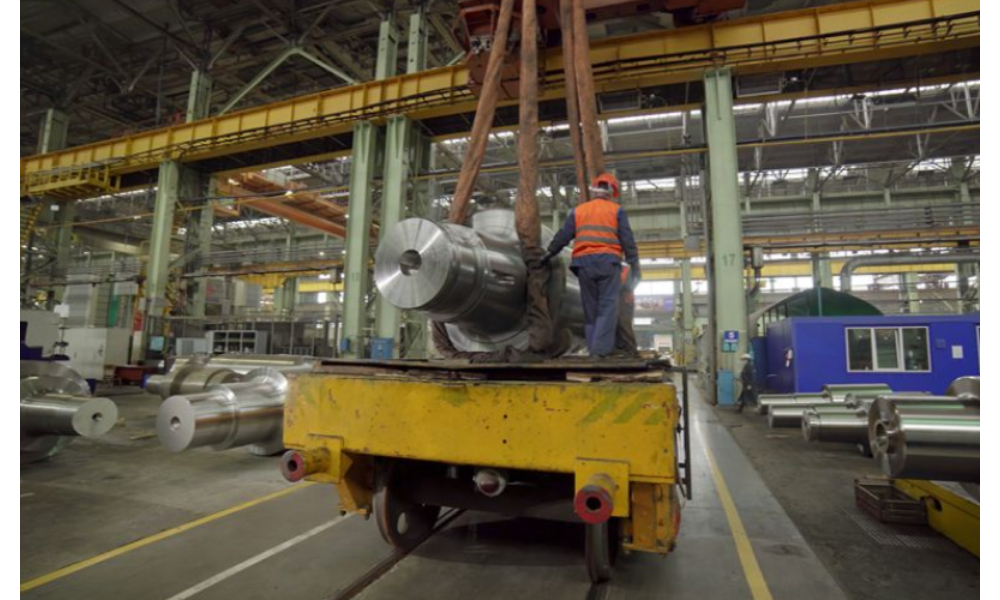
Industrial relocations rarely succeed through guesswork. Behind smooth project outcomes sit practical habits refined through experience on real sites, tight schedules, and live operating environments. These patterns rarely receive attention, yet they affect how machinery-moving services deliver control, safety, and continuity. The goal centres on achieving reliable relocation outcomes without disruption, delays, or avoidable rework. Machinery moving services demand more than physical lifting, calling for foresight that reaches far beyond equipment weight. Below is a small set of insights that quietly influence results, shared through an editorial lens rather than textbook theory.
1. Planning Begins Long Before Equipment Moves
Relocation success rarely starts on moving day. It begins during early site visits, drawing reviews, and pathway checks that clarify spatial limits. Machinery moving services rely on accurate clearance measurements, floor load checks, and access sequencing to prevent sudden stoppages.
This stage clarifies lifting points, temporary storage zones, and crew positioning. Decisions here reduce last-minute changes that stretch timelines. When planning feels excessive, delays usually follow. Preparation stabilises schedules, controls risk exposure, and keeps coordination grounded. Machinery moving services treat preparation as operational groundwork rather than paperwork. Early planning creates shared expectations across teams, reducing decision friction once movement begins and conditions tighten.
2. Sequence Matters More than Speed
Rushing equipment rarely improves outcomes. Experienced teams design move sequences that respect dependencies between machines, utilities, and access paths. This thinking prevents congestion and protects adjacent assets during transitions. Well-considered sequencing allows each action to support the next, keeping progress orderly without forcing momentum.
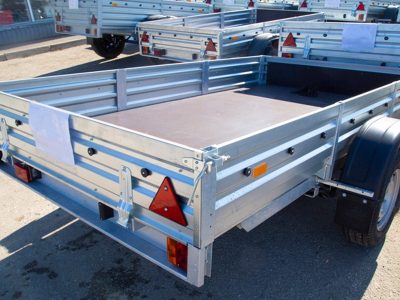
In complex facilities, planning fits within this sequencing approach. Vehicle arrival times, unloading zones, and internal movement routes align with on-site readiness rather than fixed timetables. Logistics transport works best when integrated into the movement flow rather than treated as a separate task. When sequencing holds priority, pace becomes predictable instead of reactive.
3. Handling Methods Shape Equipment Longevity
How machinery moves influences its post-installation performance. Improvised handling introduces vibration stress, alignment shifts, and hidden damage that appears months later. Machinery moving services focus on controlled lifting angles, gradual positioning, and calibrated supports.
Specialised tools play a role, yet judgment matters more. Consistent handling practices preserve equipment integrity and reduce post-move troubleshooting that slows commissioning. Crews adjust handling based on the centre of gravity, base stability, and surface interaction. This discipline protects precision components and avoids recalibration delays. Machinery moving services recognise that relocation quality extends beyond arrival, affecting uptime long after installation completes.
4. Communication Keeps Multiple Teams Aligned
Relocation projects involve operators, engineers, site managers, and transport crews. Practising good communication prevents duplicated work and unsafe overlaps. Short briefings before each phase clarify roles, movement timing, and response steps.
Logistics transport coordination benefits from shared visibility. Vehicle positioning, unloading order, and equipment readiness stay aligned through simple communication rhythms rather than complex systems. When teams speak the same operational language, movement remains controlled. It becomes predictable rather than disruptive when coordination stays consistent.
5. Flexibility Protects Timelines Without Sacrificing Control
Even detailed plans meet real-world constraints. Structural variations, weather changes, or access restrictions demand adjustments. Machinery moving services succeed by allowing controlled flexibility within defined limits.
Alternative routes, backup lifting options, and secondary staging areas keep progress intact without compromising safety. This flexibility relies on preparation rather than improvisation. Machinery moving services maintain contingency awareness so responses feel measured rather than rushed. Flexibility protects timelines while preserving discipline.
Conclusion
Successful relocation depends on preparation, sequencing, handling discipline, communication, and adaptive thinking. Machinery moving services apply these quieter practices to achieve reliable outcomes under pressure. Logistics transport supports this framework when aligned with on-site readiness and movement flow. Together, these habits reduce disruption and protect long-term performance.
Contact Sin Chew Woodpaq to discuss machinery moving services planned with clarity and control.












Comments