
 By
By 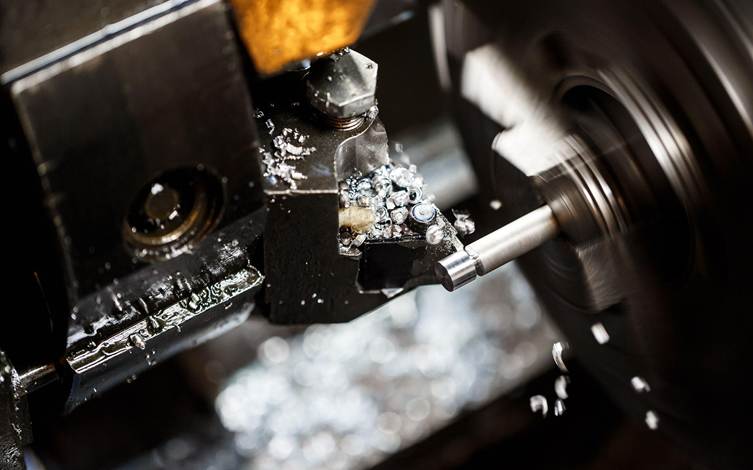
Upgrading equipment in a metal fabrication facility is often viewed as a cost-heavy decision, yet the long-term returns usually outweigh the initial investment. A high-speed CNC milling machine has become one of the most strategic upgrades for SMEs and larger workshops that want to stay competitive without inflating labour or operational expenses. Since production timelines are tightening and clients are demanding higher accuracy, the financial case for adopting faster and more capable milling systems becomes increasingly clear.
Higher Throughput Translates to Faster Revenue Cycles
The most direct return comes from shorter production cycles. A high-speed CNC milling machine reduces cutting time significantly, allowing more components to move through the system each day. This improvement, for metal fabrication businesses handling varied batch sizes, means work orders are completed faster and invoicing begins sooner. Facilities working with automotive or aerospace clients, where deadlines are strict and penalties are real, benefit even more from consistent high-speed output. Instead of stretching production over multiple shifts, teams can manage the same workload with tighter scheduling, enabling shorter lead times without expanding labour hours.
Reduced Rework and Material Waste Protects Margins
Accuracy is another deciding factor. Older machines often struggle to maintain stable tolerances, especially with complex geometries or harder metals. A modern CNC milling machine offers tighter repeatability, reducing the likelihood of errors that lead to scrapped materials or reworked parts. The savings here accumulate quickly, particularly for facilities using expensive alloys where every discarded block erodes profit margins. High-speed machines also reduce the need for secondary processes by producing cleaner cuts and smoother surface finishes, which further lowers job costs and frees up manpower for higher-value tasks. This efficiency becomes measurable over time, especially in fabrication lines that rely on precision for repeat orders.
Better Workforce Efficiency Without Increasing Headcount
Metal fabrication teams often operate with lean manpower, making equipment performance vital. A high-speed CNC milling machine allows skilled machinists to handle more complex jobs without slowing down the workflow. Operators, with advanced controls, better software integration, and faster cycle times, spend less time monitoring repetitive tasks and more time programming, tooling, or overseeing multiple machines simultaneously. This instance translates to improved labour-to-output productivity without increasing headcount for business owners. Training new hires also becomes smoother because modern interfaces are more intuitive than legacy systems, reducing onboarding time for junior machinists.
Stronger Capacity to Take On Higher-Value Projects
Beyond internal productivity, upgrading equipment expands the type of work a facility can accept. High-speed CNC milling machines handle intricate cuts, thin-walled components, and high-precision prototypes that older machines struggle with. This capability opens opportunities in industries such as electronics, defence, and renewable energy, where accuracy defines contract eligibility. Once fabrication shops can confidently produce complex parts at scale, they can pitch for jobs with better margins and longer project durations. Instead of competing solely on price, they compete on capability—an advantage that directly boosts revenue potential.
Long-Term Reliability Reduces Hidden Operating Costs
While upfront investment may seem steep, modern machines come with longer lifespans and require less downtime for maintenance. Predictable servicing schedules, improved spindle durability, and software diagnostics help prevent unexpected stoppages that disrupt production. After all, reliability is a major contributor to overall ROI in metal fabrication environments where machines run continuously across shifts. Less downtime means more billable work hours, fewer repair expenses, and a smoother production flow throughout the year.
Conclusion
Once assessed over its full lifecycle, a high-speed CNC milling machine delivers returns through increased throughput, reduced waste, better labour efficiency, and the ability to secure higher-value fabrication work. The investment is not merely about faster cutting; it is about strengthening long-term competitiveness in a rapidly evolving metal fabrication landscape. Facilities that upgrade early gain a clear operational and financial edge, positioning themselves to grow sustainably as client expectations continue to rise.
Contact Disk Precision Group and boost output without expanding manpower today.











Comments