
 By
By 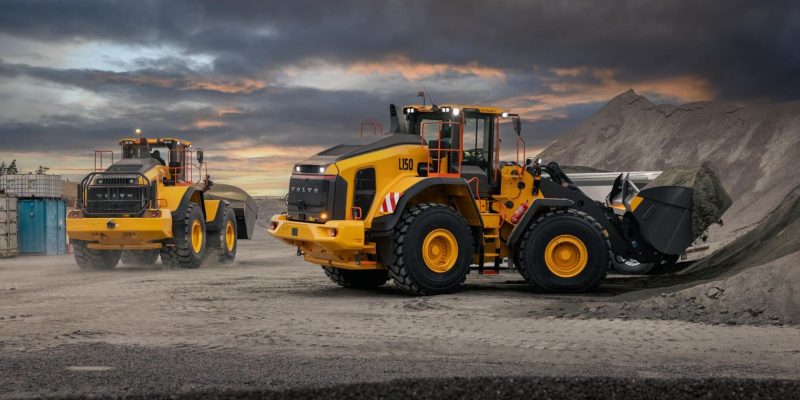
Wheel loaders are evolving rapidly because work locations are changing fast. Contractors desire increased production per hour, better control of operating expenses, cleaner operation, and technologies that help them plan repairs before a breakdown arises. The next generation of Volvo wheel loaders will be formed by a combination of sharper software, more economical powertrains, and features that keep workers comfortable and safe over long shifts. These patterns indicate where the category is going and what consumers will probably assume as standard in the near future, even if each model will have its unique advantages.
Smarter Machines That Help Operators Work Faster
One of the largest transformations is the transition from computers that just react to inputs to machines that actively help decision-making. Anticipate more task aid features that direct operators toward more uniform load positioning, smoother lift cycles, and improved bucket filling. The idea is not to replace competence but to assist operators in finding an efficient rhythm sooner, particularly when organizations are training new staff.
Onboard screens are likewise growing sharper and more informative. Instead of presenting basic warnings solely, new interfaces increasingly give actionable information, such as when to adapt operating method, when tire slip is growing, or when hydraulic temperature patterns indicate a change in work pattern. Over time, this kind of input keeps the machine functioning within a more efficient operating range and helps minimize wasted motion.
Predictive Maintenance, Telematics, And Connectivity
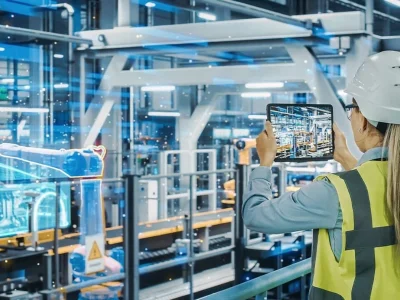
The next generation of loaders will be based on connectivity. Telematics is already prevalent, but the trend is toward deeper analytics. Fleet managers want to analyze utilization by operator and by location, identify idle time trends, and compare fuel use across related jobs. When such data is solid, it becomes simpler to schedule machines where they provide the highest value.
Predictive maintenance is the next phase. Instead of waiting for a warning light, machine systems may monitor wear indications and performance signals to anticipate when servicing is required. That means fewer unexpected failures and more scheduled downtime. It also facilitates better parts planning, which is very crucial when projects have tight deadlines.
When customers examine equipment, they still worry about basics and generally compare a recognized benchmark like Volvo L110 loader specifications to understand what a reliable mid-size wheel loader normally gives. But in the future, the conversation will go beyond static specifications and include how effectively the loader reflects its health and helps decrease downtime.
Increased Productivity And Reduced Ownership Costs
Fuel economy and overall cost of ownership will remain essential. The next wave of improvements will come from more precise power management, greater hydraulic efficiency, and solutions that decrease superfluous engine load. Expect more intelligent driving modes that adapt to the job, whether the machine is loading and carrying, stockpiling, or truck loading.
There is also an increased emphasis on getting more work done per gallon via cycle optimization. This features enhanced traction control, more sensitive hydraulics, and smoother transmission behavior. These adjustments may seem modest when you test drive a machine, but over thousands of cycles, they add up to considerable savings.
Because the Volvo L110 loader specifications provide a well-known benchmark for capacity and performance, many operators and managers still begin their comparisons with them. What is changing is how manufacturers portray efficiency. Instead of vague statements, anticipate more quantifiable performance reports related to actual work situations.
Electrification And Alternative Power Paths
Electrification is one of the most evident trends impacting the future. Battery electric loaders may minimize site pollutants and noise, which matters more as urban work sites and interior applications develop. Nevertheless, there won’t be a single shift that works for everyone. Some enterprises may embrace electric models fast, while others will prioritize efficiency enhancements in diesel-powered machinery owing to lengthy shifts, distant locations, and charging limits.
The next version will likely have a wider variety of power choices so fleets can tailor the loader to the location. In many places, contractors will also look carefully at how effectively these machines fit into new energy and charging systems, particularly when several electric machines use the same infrastructure.
A Novel Approach To Purchasing For The Upcoming Generation
Wheel loaders will be assessed differently by consumers as these tendencies develop. Long-term value will eventually be more closely linked to connection, service planning, and efficiency, but specifications will still be important, and terms like Volvo L110 loader specifications will continue to be used in research and comparisons. The next generation of Volvo wheel loaders will likely be distinguished by how effectively they integrate excellent mechanical performance with digital intelligence, making them simpler to run, easier to control, and more predictable to maintain.















Comments