
 By
By 
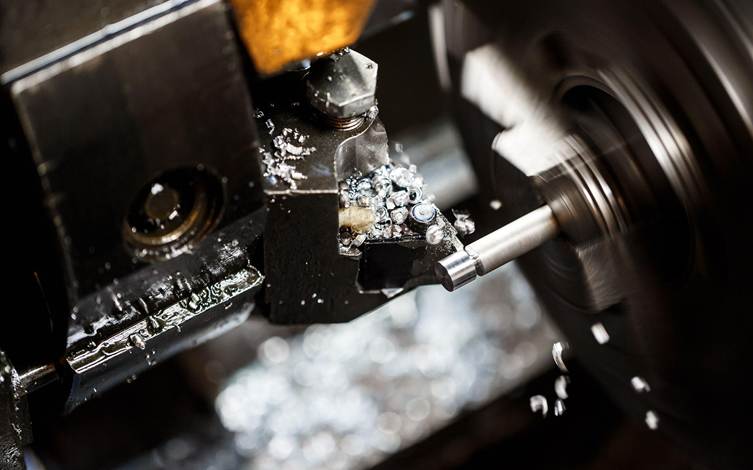
Manufacturers rely on equipment that can deliver accuracy, repeatability, and stable performance across different production stages. When output starts falling behind expectations, small inefficiencies grow into full operational problems. Many teams begin to analyze their workflow only after noticing delays, inconsistent product quality, or rising material waste. Computer numerical control (CNC) milling provides a structured digital process that delivers precise cutting, shaping, and finishing. Modern metal fabrication strengthens this by delivering regulated production processes suited for basic and complicated components. Understanding the difficulties these technologies solve gives producers a clearer route towards improving long-term efficiency.
1. Rising Dimensional Errors Affect Product Reliability
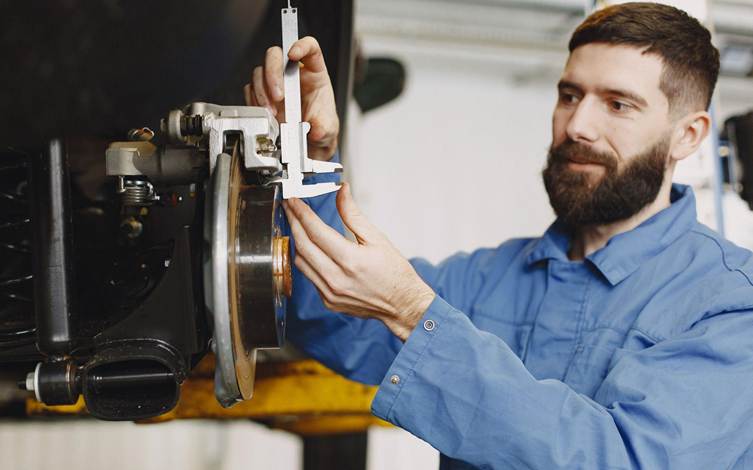
Dimensional accuracy is a cornerstone of successful manufacturing. Manual machining processes introduce variations from part to part, and these inconsistencies create problems during assembly or final product testing. Teams spend unnecessary time correcting parts that should match the original specifications. CNC milling services reduce these errors because it relies on computer-controlled programming and stable machine movement. It enhances reliability and offers manufacturers assurance that each product will match the appropriate measurements.
2. Manual Machining Limits Output Capacity
Traditional machinery depends significantly on operator expertise and available labour hours. Manual procedures are unable to scale quickly enough to meet demand when order volumes increase. This results in longer lead times and reduced flexibility when customers request adjustments. CNC milling supports higher output by automating cutting paths and maintaining consistent accuracy even at faster speeds. Metal fabrication methods strengthen this further by allowing multiple processes, such as bending, welding, and forming, to be managed with predictable efficiency.
3. Complex Geometries Become Difficult To Produce
Modern components include curved surfaces, internal pockets, and intricate patterns that require advanced cutting strategies. Manual tools struggle with these shapes and can cause uneven surfaces or incomplete features. These limitations restrict engineers from fully exploring design options. CNC milling makes it easier to handle these complex geometries by using multi-axis capabilities and detailed program control. When combined with custom metal fabrication techniques, producers are able to carry out complex designs more precisely.
4. High Scrap Rates Increase Material Costs
Material waste becomes a concern when a significant portion of parts must be discarded due to errors. Scrap rates rise when production relies on repeated manual adjustments or inconsistent cutting quality. It affects project profitability and forces teams to order extra material to compensate. By reducing human error and controlling cutting precision, CNC milling lowers scrap. Metal fabrication processes that follow digital planning also help minimize mistakes, leading to more efficient use of materials across the entire workflow.
5. Workflow Interruptions Slow Down Production
Manufacturing lines rely on equipment stability to maintain predictable schedules. Frequent tool changes, maintenance delays, or misaligned parts interrupt workflow and make production timing difficult to manage. These disruptions increase pressure on operators and create additional downtime. CNC milling stabilizes workflow through automated tool management and controlled cutting speeds. Metal production systems that use digital design facilitate better transitions between processes, minimizing the chance of bottlenecks.
6. Difficulty Scaling From Prototype To Full Production
Prototyping stages usually allow for flexibility and manual adjustments, but scaling these methods to full production requires consistency and repeatability. Challenges arise when the original approach cannot meet larger volume requirements. By providing a repeatable digital process that maintains part quality from prototype to mass production, CNC milling fills this gap. Metal fabrication complements this by providing reliable forming, cutting, and assembly methods suitable for high-volume output.
Conclusion
Manufacturers confront a number of difficulties as they seek improved efficiency, higher precision, and stronger performance. CNC milling and metal fabrication address these difficulties by developing structured workflows, decreasing waste, and aiding the manufacturing of complicated components. When reliability and precision become essential for growth, adopting these methods helps teams maintain steady progress.
To learn how CNC milling and metal fabrication can support your production goals, contact Disk Precision.










Comments